


Outdoor Things to Do in Boston
Best Parks in Boston for Kids, Dogs, Nature and Waterfront Views
Find historic lawns, inclusive playgrounds, dog-friendly spaces, pond loops, gardens, river paths, beaches, bike routes, harbor islands, and green escapes across Boston.
What kind of Boston park day do you need?
Boston’s parks manage to combine outdoor recreation with several centuries of history—because apparently even a picnic here deserves a backstory.
You can cross America’s oldest public park, admire the country’s first public botanical garden, circle Jamaica Pond, wander through a 281-acre living plant collection, follow the Charles River, explore beaches and harbor islands, find an inclusive playground, or spend a full day in the city’s largest open space.
This guide organizes some of the best parks in Boston by what you actually want to do instead of handing you one enormous map and hoping for the best.
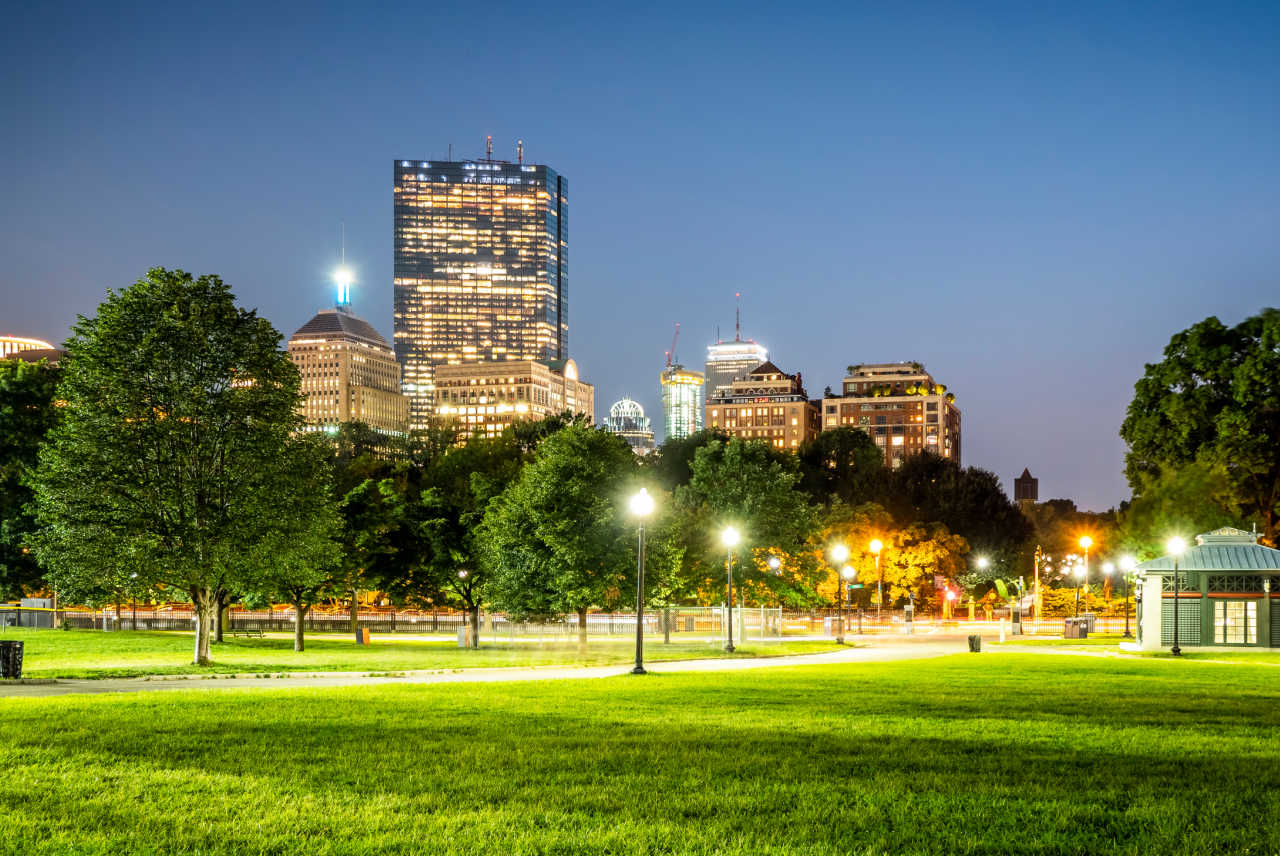
Check Before You Go
Playground projects, spray features, skating, Swan Boats, ferries, rentals, swimming, water quality, dog-area access, trail conditions, parking, events, and seasonal facilities can change. Use the official links throughout this guide to confirm current details.
Boston Parks at a Glance
Start with these six standouts when you need a quick answer to the question, “Which Boston park should we visit?”
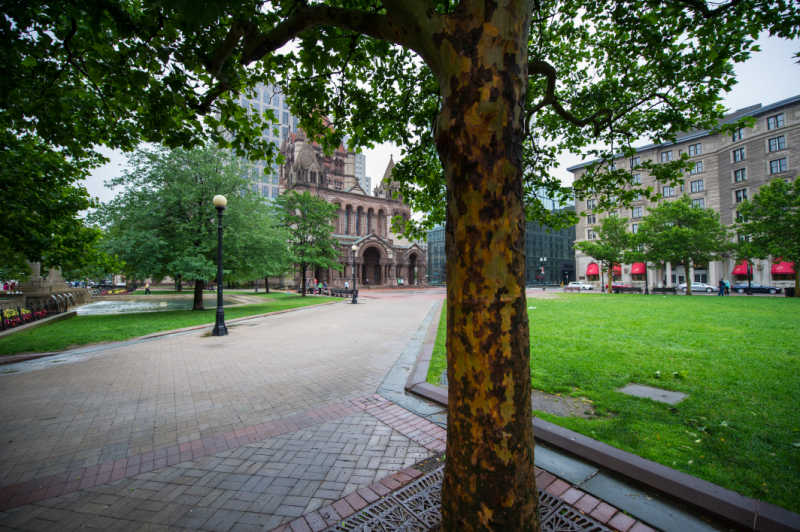
Best Boston Parks for Kids
Boston family parks include inclusive play, climbing structures, water features, carousel creatures, skate areas, courts, fields, beaches, and historic green spaces where children can run while adults quietly study the nearest available bench.
Seasonal Water Features
Boston splash pads generally operate from around Memorial Day through Labor Day, but individual features can close for maintenance, weather, or water restrictions. Check the current city list before packing everyone into swimwear.
Best Boston Dog Parks and Off-Leash Spaces
Dogs are welcome in Boston parks when city rules are followed. Outside designated dog recreation spaces, dogs must remain leashed and are not permitted in children’s play areas, sandboxes, ballfields, or other fenced spaces reserved for children.
Boston Dog-Park Basics
Use a leash no longer than eight feet outside designated spaces, remove pet waste, keep dogs out of children’s areas and ballfields, and review current signs. Park projects can temporarily affect dog-area access.
Life Needs Intermission
Boston has mastered the park visit that accidentally becomes a history lesson.
You sit on the grass.
Someone mentions the park was founded in 1634.
Suddenly the picnic has footnotes.
Still relaxing. Just educational now.
Best Boston Parks for Nature, Wildlife and Trails
Boston’s natural spaces connect woods, ponds, rivers, historic parkways, botanical collections, coastal habitat, harbor islands, and trails woven through the Emerald Necklace.
Nature-Day Reality Check
Ticks, mosquitoes, poison ivy, uneven paths, heat, winter ice, storms, and changing ferry or water conditions are part of New England outdoor life. Stay on trails and check seasonal advisories.
Best Boston Parks for Waterfront, Garden and Skyline Views
Boston park scenery includes historic towers, formal flowers, river sunsets, harbor islands, sailboats, bridges, skyline views, public art, and ducks who remain entirely unimpressed by all of it.
Best Boston Parks for Sports and Active Outings
Boston parks support walking, running, cycling, rowing, sailing, fishing, swimming, skating, golf, field sports, pump-track riding, and the time-honored local activity of walking much farther than expected because everything looked close on the map.

Before You Visit a Boston Park
A quick check before leaving can prevent a trip to a closed spray feature, sold-out ferry, inactive Swan Boat dock, skating transition, construction area, water-quality advisory, or dog space that has temporarily moved.
- Check the official park page. Confirm current hours, construction, event impacts, restrooms, access, seasonal services, and facility notices.
- Prepare for New England weather. Layers help with river wind, harbor breezes, shade, sudden rain, temperature shifts, and winter conditions.
- Review water and beach status. Check swimming schedules, lifeguards, water-quality testing, ferry service, boating rules, and weather-related closures.
- Plan transportation. Many downtown parks are easiest by MBTA or on foot, while parking near beaches, islands, and major events may be limited.
- Check seasonal attractions. Swan Boats, Frog Pond skating, spray pools, carousel rides, ferries, rentals, concerts, and concessions use separate schedules.
- Follow dog rules. Dogs must be leashed outside designated recreation areas and are not allowed in children’s spaces or ballfields.
- Watch for ticks. Stay toward the center of trails in natural areas, wear appropriate clothing, and check people and pets after walking through grass or leaf litter.
- Respect historic and natural spaces. Stay on designated paths, protect plant collections, give wildlife room, and follow site-specific rules.
Boston Park-Day Packing List
Water, comfortable shoes, weather layers, sunscreen, a charged phone, transit or ferry information, dog supplies when applicable, and the awareness that cobblestones are not impressed by fashionable footwear.
More Boston, Less Scrolling
Choose the experience first.
Playground? Dog space? Pond loop? Botanical walk? Harbor view? River trail? Beach? Historic lawn?
Pick the category, check the official details, bring a layer, and go.
Boston Parks FAQs
Martin's Park, Boston Common and the Frog Pond, Smith Playground, the Rose Kennedy Greenway, Piers Park, and Castle Island offer different combinations of inclusive play, splash features, carousel rides, paths, beaches, fields, courts, waterfront views, and family recreation.
Dogs may go off leash only in designated dog recreation spaces. Current city listings include Peters Park, DeFilippo Playground, Downer Avenue Playground, Garvey Playground, and rotating lawn sections on Boston Common. Check the official Boston dog-parks page for current locations and closures.
Franklin Park is Boston's largest open space at approximately 485 acres. It includes miles of trails, playing fields, historical features, Scarboro Pond, golf, a cross-country course, playgrounds, White Stadium, and Franklin Park Zoo.
No. They sit beside one another but are distinct historic spaces. Boston Common was founded in 1634 as America's first public park. The Public Garden was established in 1837 as America's first public botanical garden and is known for its lagoon, formal plantings, and Swan Boats.
Franklin Park, Arnold Arboretum, Olmsted Park, Jamaica Pond, the Charles River Reservation, and Spectacle Island offer trails or long walking routes. The Emerald Necklace also links several major green spaces through Boston and Brookline.
Most City of Boston parks do not charge general admission, and the Arnold Arboretum is always free. However, parking, ferries, Swan Boats, carousel rides, skating, rentals, golf, zoo admission, programs, special events, reserved facilities, and some state-park activities may have fees.